





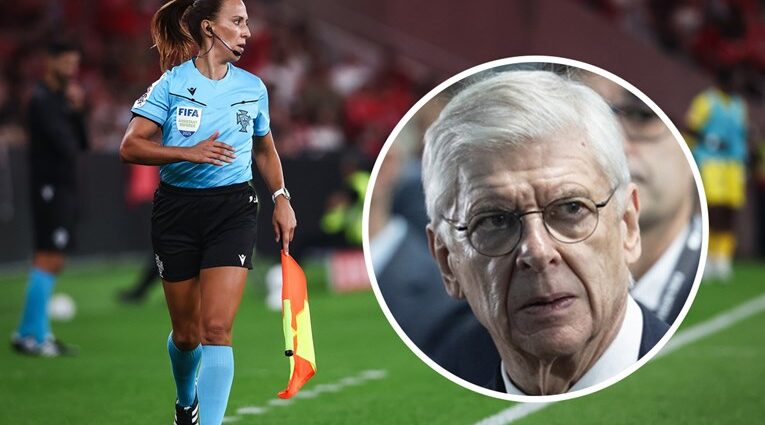
Arsène Wenger, the former manager of Arsenal’s iconic “Invincibles” era and now a FIFA ambassador, has spent seven years pushing for a major change to football’s offside rule. His proposal argues that an attacker should only be considered offside if their entire body is ahead of the defender. Wenger believes this adjustment would favour attacking play and increase the number of goals in professional football.
Wenger’s push for a new offside interpretation
Wenger has repeatedly stated that the current offside rule limits creativity in the final third. He insists that attackers should receive more freedom when timing their runs behind defenders. According to him, the game needs more fluidity and fewer marginal VAR decisions that frustrate both players and supporters. His idea challenges long‑standing interpretations used by major football bodies, including UEFA.
Why Wenger wants football without VAR
The Frenchman has also questioned the growing dependence on technology. He argues that VAR slows down matches and removes spontaneity from key moments. Wenger believes football should return to a more natural rhythm, where referees make decisions without constant technological intervention. His stance has sparked debate across Europe, especially among leagues that rely heavily on VAR systems.
Canada tests the Wenger offside rule
UEFA rejected Wenger’s concept, but Canada decided to take a bold step. The Canadian Premier League will test the new offside rule when its season begins in April. This marks the largest professional competition to experiment with what many now call the Wenger offside rule. Until now, the idea had only been tested in youth leagues, where early results showed more attacking freedom and fewer stoppages.
What this experiment means for global football
The Canadian trial could influence future discussions within FIFA and other major football organisations. If the rule increases goals and reduces VAR controversies, larger leagues may consider adopting it. Football continues to evolve, and Wenger’s vision could shape the next era of the sport. The coming season in Canada will provide the clearest evidence yet of whether his proposal can work at the highest level.