
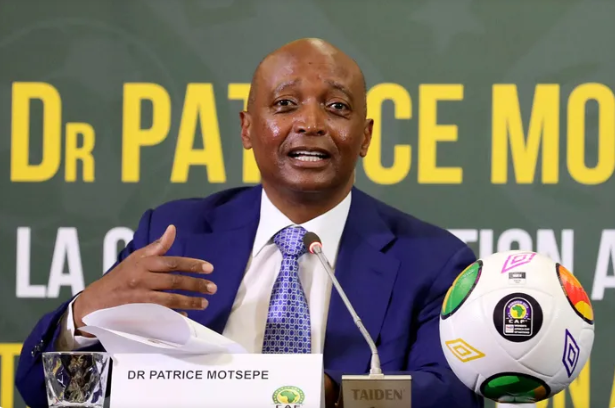
CAF prepares for a defining moment as uncertainty surrounds the 2026 Women’s Africa Cup of Nations in Morocco. The organisation plans to issue a major announcement by Friday, and the football world watches anxiously. The situation now blends political fallout, logistical breakdowns, and unresolved hosting disputes.
Morocco’s hosting crisis intensifies
CAF’s leadership tracks developments closely after weeks of rumours about postponement. Communications chief Luxolo September confirmed that CAF will deliver an urgent update within 48 hours. His statement heightened tension across African football circles.
Morocco’s troubles began after the heated AFCON final in January. The host nation lost to Senegal and demanded that CAF overturn the result. CAF dismissed the request, and Morocco later warned the organisation about difficulties in hosting WAFCON. With no official reply, Morocco continued as host, but the uncertainty grew.
South Africa steps forward as potential replacement
CAF’s search for alternative hosts triggered swift action in South Africa. Football officials informed Deputy Minister of Sport Peace Mabe, who reacted with alarm. She announced that South Africa would host the tournament if needed, making the offer public at a February football event.
Regional conflict disrupts African teams
The crisis deepened when conflict erupted in the Middle East at the end of February. Suspended flights and travel restrictions disrupted preparations for several national teams. Nigeria’s Super Falcons left their Cameroon training camp after players based in Qatar failed to travel.
Ghana’s Black Queens also faced severe disruption. They travelled to Dubai for the Pink Ladies Cup on February 25 but became stranded in their hotel as the conflict escalated. Their staff now works to secure a safe return.
Many African players compete in Saudi Arabia and the UAE, where women’s football continues to expand. The conflict halted travel across the region, leaving athletes unable to join their national squads.
CAF faces a pivotal choice
CAF must now decide whether to postpone WAFCON or proceed under unstable conditions. A postponement seems increasingly reasonable as teams confront safety risks and travel chaos. CAF could relieve pressure by delaying the tournament without confirming a new date.